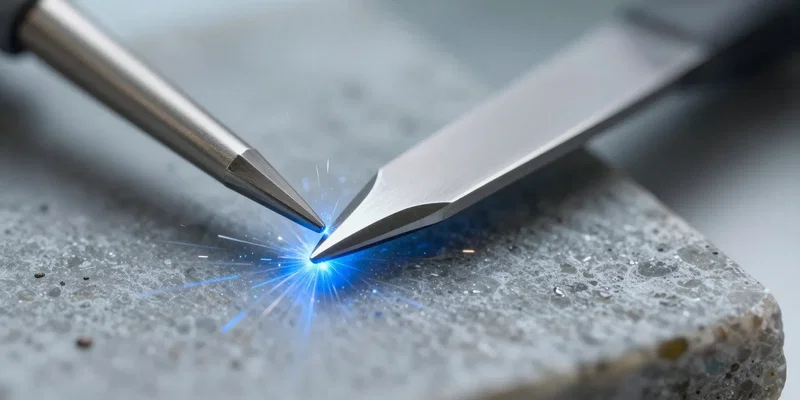
Why Some High-Hardness Knives Feel Glassy on Stones and Others Feel Sticky
Stop Blaming Your Stone—Your Steel Is Talking People love to blame the stone. Too coarse, too soft, too cheap. But here's the thing: when you're sharpening a high-hardnes…
Home/Steel Metallurgy and Burr Formation
5 articles
Stop Blaming Your Stone—Your Steel Is Talking People love to blame the stone. Too coarse, too soft, too cheap. But here's the thing: when you're sharpening a high-hardnes…
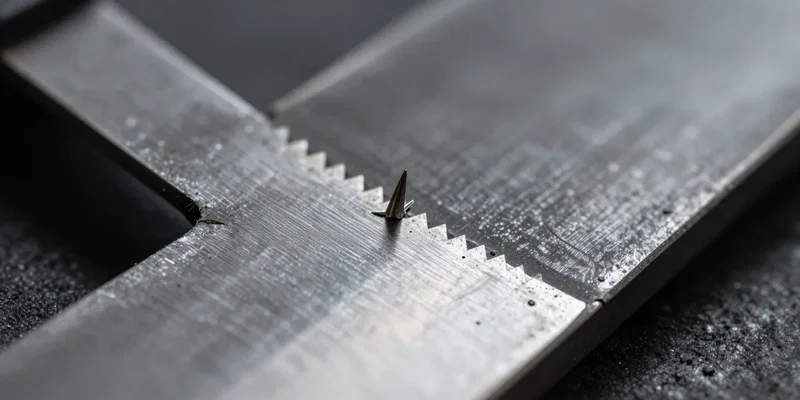
Your Burr Is Too Big. Here’s Why You Care. Everyone thinks a burr the size of a fishing hook means you're working hard. Wrong. A massive burr is just proof you overground…
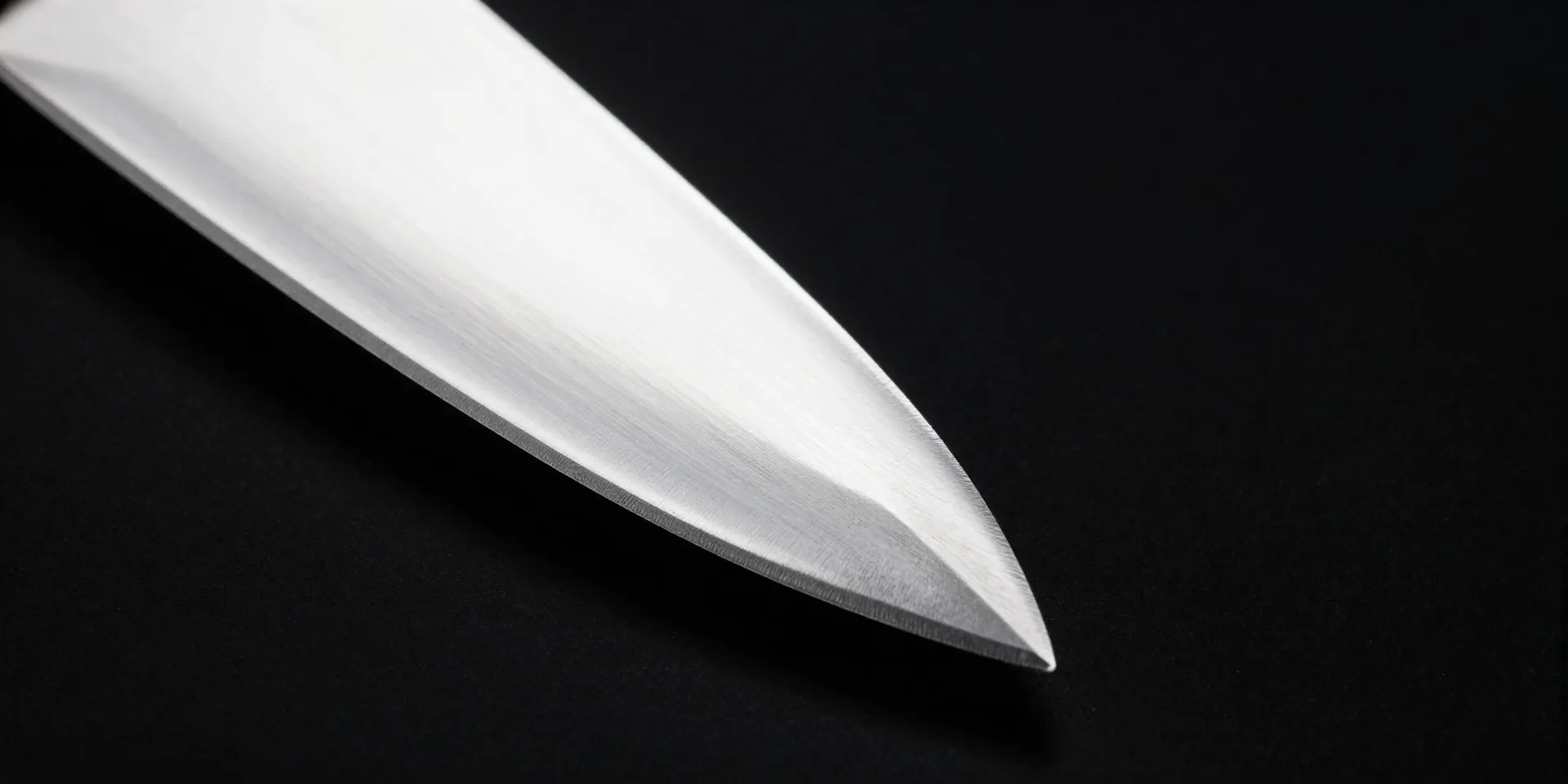
Your Sharpening Stone Is Lying to You You've spent an hour on that edge. It shaves hair. But that nagging wire edge? Still there. Blue Steel vs White Steel—everyone argue…
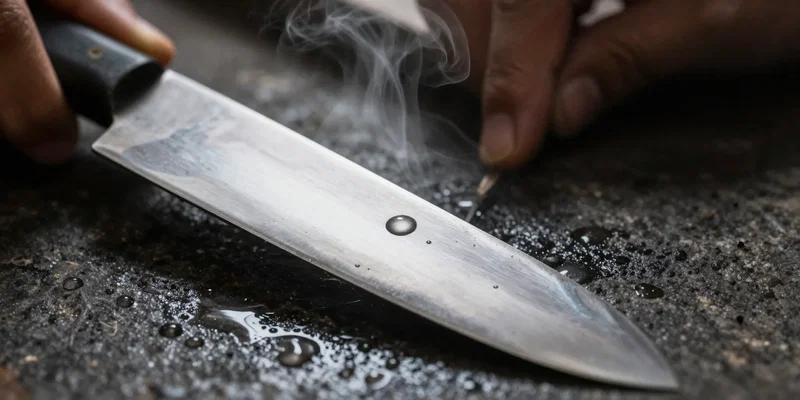
Your Stone Isn’t a Refrigerator Everyone thinks water stones are immune to heat damage. "It's wet," they say. "It stays cold." Sure. And your car stays cool because the p…
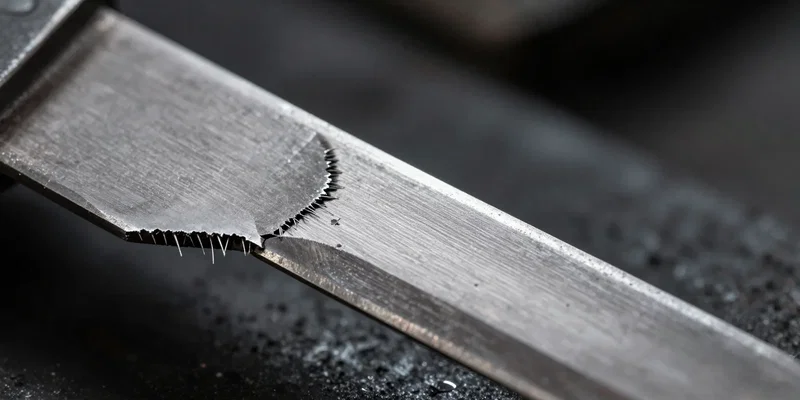
Stop Calling Every Flaw a "Burr" You've got an edge that won't cut paper. So you blame the burr. But actually, you've got three different villains up there. Hard steels—t…