Blue Steel vs White Steel: Which One Is Easier to Deburr Cleanly?
You've spent an hour on that edge. It shaves hair. But that nagging wire edge? Still there. Blue Steel vs White Steel—everyone argues about hardness and retention. Nobody talks about the real nightmare: burr formation. Here's the thing. Not all carbon steels behave the same under a stone. Some burrs snap off clean. Others cling like a bad habit. If you're tearing your hair out chasing a perfect edge, the steel type might be the culprit.
Blue Steel: The Tough Guy That Doesn't Want to Let Go
Blue steel is basically white steel that hit the gym. Added tungsten and chromium make it harder, more wear-resistant, and slower to rust. Sounds perfect, right? Wrong. Those same alloying elements refine the grain but also make the steel more... stubborn. The burr on blue steel tends to be tougher. More elastic. It bends back and forth instead of fatiguing and popping off. You can chase it for ten minutes. It laughs at your finishing stone.
White Steel: Pure, Simple, and Brutally Honest
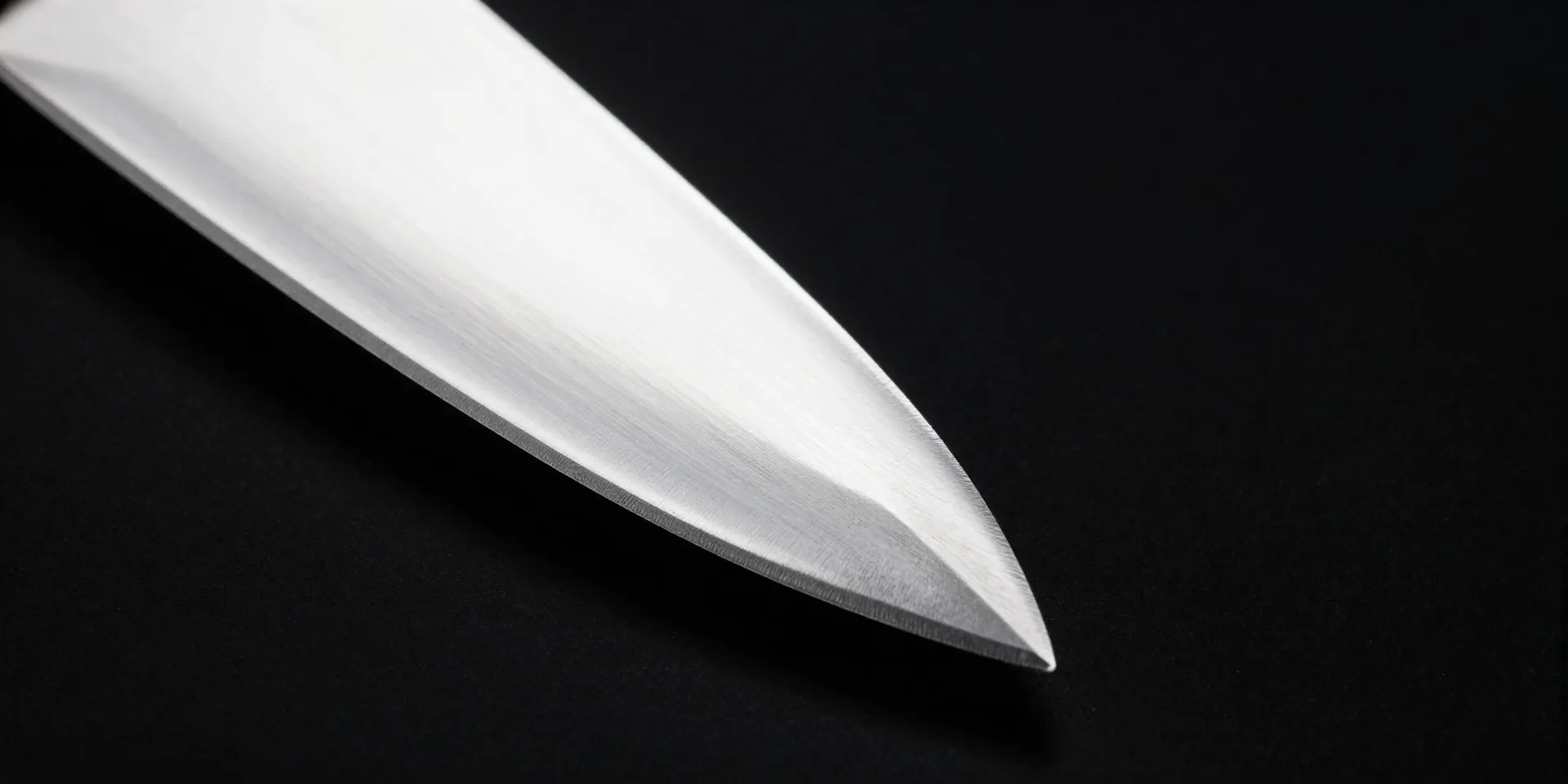
White steel is the minimalist's dream. Just iron and carbon. Maybe a pinch of something else if the smith felt fancy. No chromium, no tungsten, no safety net. It takes a scary-sharp edge because the grain structure is wide open and clean. But here's the kicker: the burr forms fast. Really fast. Sharpen it on a coarse stone and you've got a foil edge in seconds. The good news? That burr is fragile. Brittle, even. A few light strokes on a fine stone or a quick stropping session? Gone. It gives up.
So Which One Actually Deburrs Faster?
Let's cut through the noise. White steel is easier to deburr. Full stop. The burr is larger and softer, sure, but it fatigues quickly. Blue steel burrs are micro-thin and tenacious. They hide. You think you've killed the burr, then you slice a tomato and it folds over. Annoying. White steel telegraphs its burr. You see it, you feel it, and with minimal effort, you destroy it. Blue steel requires more patience. Higher grit stones. Stropping compound. Maybe a few curse words.
Why Grain Size Is the Secret Boss Fight
People obsess over HRC numbers. They should be looking at carbide volume. Blue steel's extra carbides pin the grain boundaries, keeping everything small and tight. Great for edge retention. Terrible for deburring because the burr itself becomes a microscopic spring. White steel grains are coarser. Less complicated. The burr fractures along grain boundaries instead of bending. It's not about weakness. It's about predictability. And predictability wins when you're standing at the sink at midnight sharpening a knife for tomorrow's service.
Pick Your Poison, But Pick the Right Stone
If you hate maintenance, neither steel is your friend. Carbon steel knives demand attention. But if you want the cleanest deburr with the least drama, white steel is your pick. Blue steel rewards the obsessive. The guy who owns six stones and a microscope. Both can get stupid sharp. Both will form a burr. Just know that one plays fair, and the other fights dirty. Choose accordingly.