Natural Pest Control for Balcony Container Plants: DIY Sprays
You’ve nurtured your balcony garden, but suddenly aphids or spider mites appear. Before you reach for chemical pesticides, try these gentle, homemade sprays that are safe for your edible plants and pets.
Why Natural Pest Control Matters for Balcony Gardens
When you’re growing herbs, salad greens, or cherry tomatoes just steps from your kitchen, the last thing you want is to spray them with harsh chemicals—especially when your garden doubles as your morning coffee spot. On a small balcony, every inch matters, and so does the air you breathe and the food you harvest.
Avoiding synthetic pesticides isn’t just about being “organic”—it’s about common sense for tight quarters. Many balcony gardeners grow edibles, and those sprays can linger on leaves and soil. You want to be able to snip basil without a second thought. Plus, if you share your space with a curious cat or a toddler, keeping toxins out of reach (and out of the air) is a top priority.
Natural pest control also protects the tiny helpers you want around. Ladybugs, lacewings, and bees often find their way up to balcony blooms, and they’re essential for pollination and keeping pest populations in check. Harsh chemicals can harm them on contact or through residue, throwing off the mini ecosystem you’re building.
And let’s not forget: on a balcony, there’s no “away.” Chemical residues can settle on your furniture, floors, and even drift through an open window. By reaching for DIY, plant-based solutions, you keep your living environment clean and safe—while still sending pests packing.
Common Balcony Plant Pests and How to Spot Them
Catching pests early is the secret to keeping your balcony garden thriving. Once you know what to look for, you can act fast with the right natural spray. Here are the most frequent uninvited guests on small-space plants and their telltale clues.
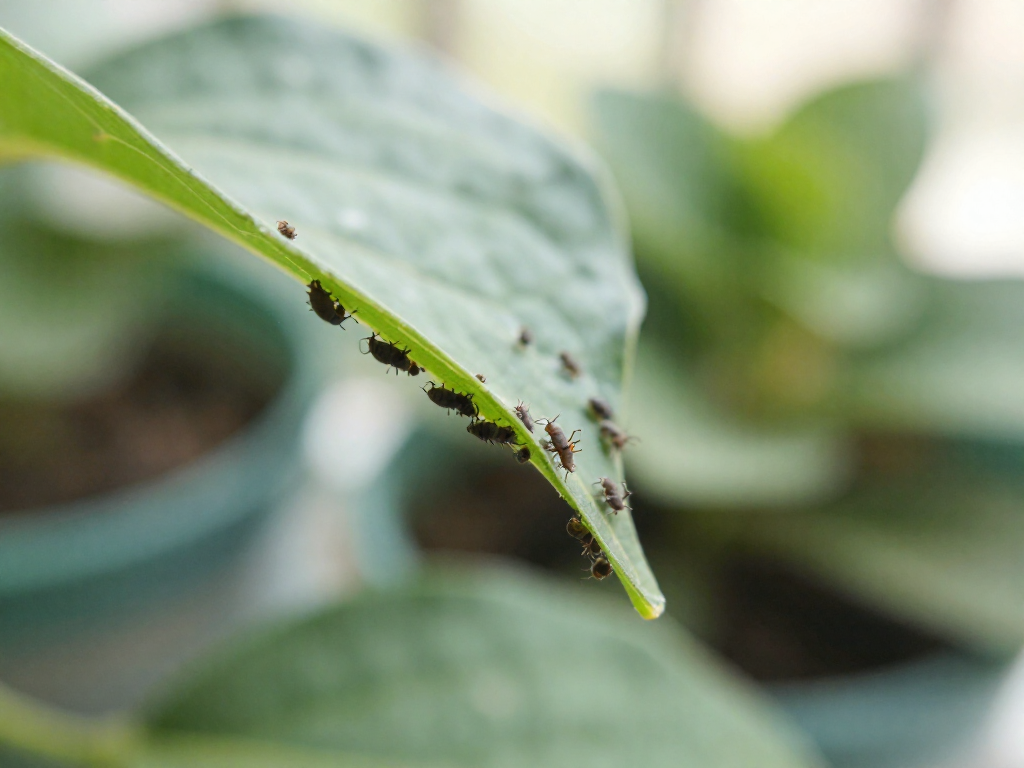
Aphids – Look for clusters of tiny, pear-shaped bugs in green, black, or pink on tender new shoots and under leaves. They suck sap and leave behind a sticky residue called honeydew. You might notice curled or yellowing foliage and ants marching up stems to farm the sweet stuff.
Spider mites – These nearly microscopic critters favor hot, dry balconies. You’ll see fine webbing between leaves and stems, plus a speckled or dusty appearance on leaf surfaces. Tap a leaf over white paper; moving specks mean mites. Leaves may turn bronze and drop.
Whiteflies – Give your plants a gentle shake. A cloud of tiny white moths that flutter up is a dead giveaway. Check leaf undersides for their flat, scale-like larvae. Sticky honeydew and sooty mold follow heavy infestations.
Mealybugs – Their fluffy white wax makes them look like tiny cotton balls tucked into stem joints and leaf axils. They sap vigor, causing stunted growth and yellowing. Often you’ll spot them in hidden nooks or where stems branch.
General warning signs – Yellowing or distorted new growth isn’t always a watering issue. A shiny, tacky coating on leaves or the railing below? That’s honeydew, a red flag for aphids, whiteflies, or mealybugs. Plants that seem stalled or sickly despite good care often have roots or stems under attack.
Scan your plants weekly with a flashlight, peeking under every leaf. The earlier you catch these pests, the easier they are to control with simple homemade sprays – and your balcony stays a happy, green retreat.
Key Ingredients for DIY Pest Sprays
Now comes the fun part: gathering a few simple, safe ingredients that can tackle common balcony pests without harming your tiny ecosystem. All of these are easy to find at grocery stores or garden centers, and you probably already have a couple in your kitchen. Here are the stars of our natural spray recipes and what they do for your plants.
- Neem oil: Pressed from the seeds of the neem tree, this oil works as a mild antifungal and disrupts the life cycle of many insects—making it harder for them to grow, feed, or reproduce. It’s a gentle, broad-spectrum option perfect for preventive care.
- Mild liquid soap: Just a few drops of pure castile soap or unscented dish soap break down the protective waxy coating on soft-bodied pests like aphids and mites, causing dehydration. Avoid detergents with degreasers or synthetic fragrances—they can harm plant leaves.
- Garlic and chili peppers: Both act as powerful natural repellents. Their strong odors and compounds confuse or deter pests like whiteflies and spider mites. A steeped mixture of crushed garlic or a dash of cayenne can keep many critters from settling in.
- Baking soda: When fungal issues like powdery mildew show up (common in humid balcony corners), baking soda alters leaf surface pH, making it less hospitable for spores. Use it sparingly and always test on a small area first.
- Essential oils (peppermint, rosemary): Just a few drops in a spray bottle can boost pest deterrence while leaving a fresh scent. Peppermint oil is particularly off-putting to ants and aphids, while rosemary oil can mask the plant’s normal aroma, confusing pests that locate food by smell.
Remember, these ingredients work best when used as part of a consistent routine. In the next section, we’ll blend them into easy, ready-to-use spray recipes tailored for your balcony garden.
Simple DIY Spray Recipes
Now that you have the key ingredients, let's turn them into easy, effective sprays for your balcony plants. Each recipe takes just a few minutes and uses common household items. Always shake well before use, and apply in the early morning or evening to protect delicate leaves from sunburn. Label your spray bottle and mix only what you'll use within a week — fresh is best.
Neem Oil Spray
Combine 1 teaspoon of cold‑pressed neem oil, ½ teaspoon of mild liquid soap (such as unscented castile soap), and 1 liter of warm water. Shake vigorously to emulsify. Spray thoroughly on affected leaves, including the undersides, every 7–10 days or after heavy rain.
Garlic‑Chili Repellent
Steep 2 crushed garlic cloves and 1 chopped fresh chili pepper in 2 cups of water overnight. Strain through a fine mesh or cheesecloth. The strong aroma deters many pests; test on a small leaf first and avoid spraying in direct sunlight.
Soap Spray
Stir 1 tablespoon of pure castile soap into 1 quart of water. This contact spray tackles soft‑bodied insects like aphids and mites. Spray pests directly, and after a few hours rinse treated leaves with plain water to prevent residue buildup.
Baking Soda Fungicide
Dissolve 1 teaspoon of baking soda and ½ teaspoon of soap in 1 liter of water. Shake well and use as a preventive against powdery mildew and other fungal issues. Apply lightly once a week, ideally on dry, cool mornings.
Quick Safety Tip: Keep all sprays out of reach of children and pets, and avoid using them on stressed plants or during peak heat. A little care goes a long way in keeping your balcony garden healthy, naturally.
How to Apply and Use DIY Sprays Safely
To get the best results from your homemade sprays and keep your plants healthy, a little care in application goes a long way. Always do a patch test on a small leaf before treating the whole plant—wait 24 hours to see if any damage appears. To prevent leaf burn, spray in the early morning or late afternoon when the sun isn’t harsh. Make sure to coat the undersides of leaves thoroughly, since many pests like to hide there. Because these natural sprays break down faster than synthetic ones, you’ll need to reapply after rain or about every five to seven days. Finally, store any leftover mixture in a cool, dark place, and discard it if it develops an off smell or fizzing—this means it’s gone bad.
FAQ
Are homemade insect sprays safe for all balcony plants?
Not all plants tolerate homemade sprays equally; some may react to ingredients like soap or oil. Always test on a small leaf first and wait 24 hours to check for damage. Avoid spraying in direct sun to prevent leaf burn.
How often should I spray my plants with natural pest control?
Spray frequency depends on pest pressure and the recipe, but generally once every 5-7 days as a preventive or every few days for active infestations. Reapply after rain or heavy watering, and avoid over-spraying to prevent plant stress.
Can I use these sprays on herbs and vegetables?
Yes, you can use many natural sprays on herbs and vegetables, but choose food-safe recipes and wash produce thoroughly before eating. Avoid harsh soaps or oils that might affect taste or safety.
What is the best natural pesticide for aphids?
A dilute neem oil spray is often the best natural remedy for aphids on balcony plants because it disrupts their feeding and breeding. A simple soapy water solution (1-2 teaspoons mild liquid soap per quart of water) also works well for immediate knockdown, especially on leaf undersides.
Do DIY pest sprays harm beneficial insects?
DIY pest sprays can harm beneficial insects if used carelessly, especially broad-spectrum ingredients like soap or neem oil. Protect pollinators and predators by spraying in the early morning or late evening when they are less active, and avoid direct contact with flowers.