How to Diagnose Stone Loading, Glazing, and Slow Cutting Before It Ruins Your Edge
You did everything right. Same angle. Same pressure. Same ritual. But the edge coming off that stone looks like it was chewed, not cut. Here's the thing. Your stone might be the traitor. Most sharpeners blame their hands first. They tweak angles. They add pressure. They chase ghosts. Meanwhile, the real culprit is sitting right there on the bench, getting worse with every pass. Stone loading, glazing, and slow cutting don't announce themselves with sirens. They whisper. And if you don't know what to listen for, you'll grind a perfectly good edge into a rounded mess before lunch.
Stone Loading Is Just a Stone Hoarding Metal
Loading is gross. That's the best word for it. Your stone is supposed to eat steel and spit out sharpness. Instead, it starts hoarding metal like a paranoid dragon. Look at the surface. Is it turning dark? Are the scratches filling in with grey-black sludge? That's loaded. Touch it. If it feels slick instead of toothy, you've got a problem. Water stones load differently than oil stones, but the result is identical: the abrasive can't touch the blade anymore. You're just polishing swarf. And swarf doesn't cut steel. It rolls it. Stop. Flatten the stone. Or at least dress the face with a nagura or a diamond plate. Don't just add more water or oil and hope. Hope is not a maintenance strategy.
Glazing Turns Your Stone Into a Countertop
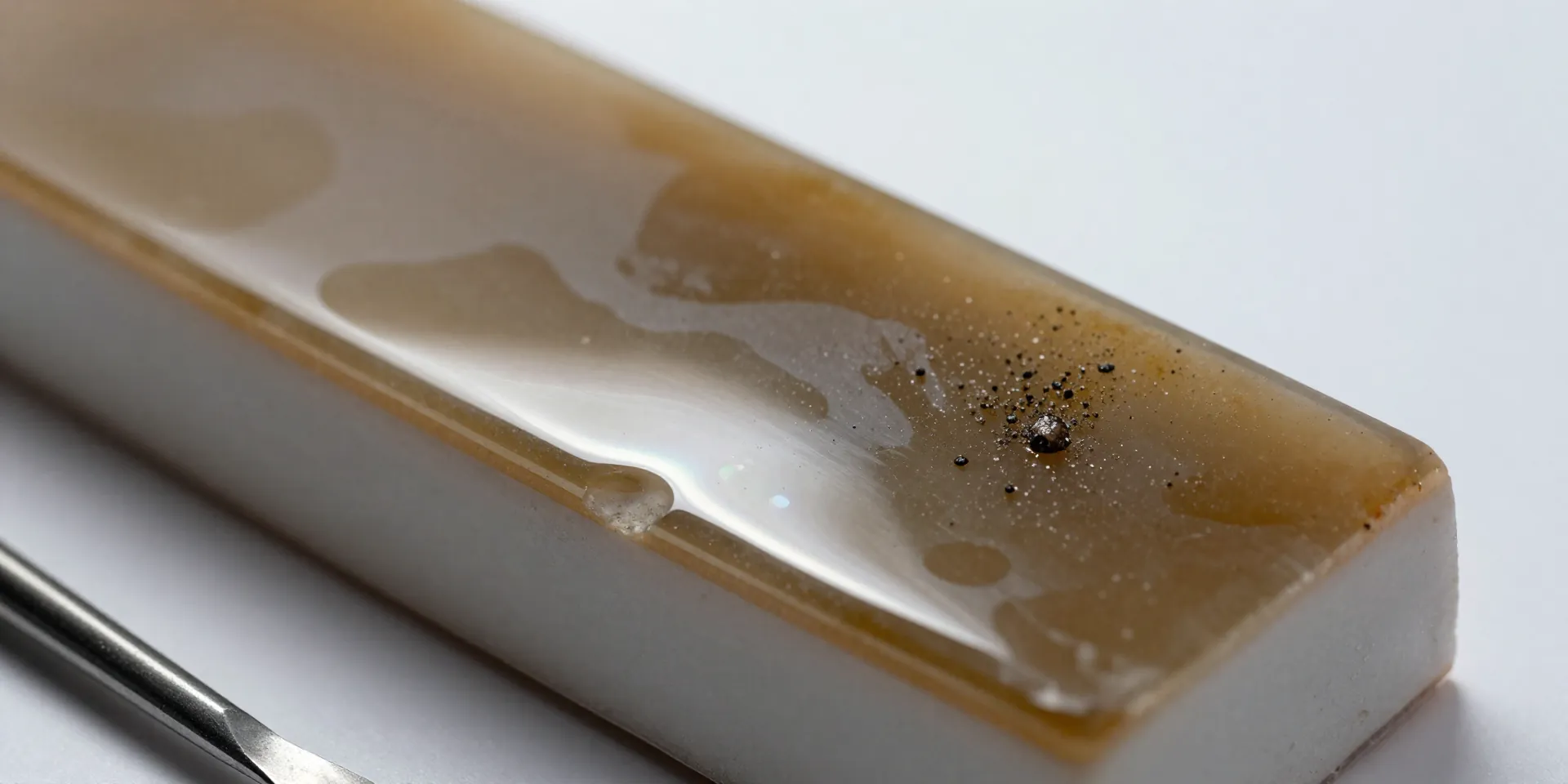
Glazing is loading's evil cousin. The surface gets this shiny, almost varnished look. It might even feel glassy under your fingertips. People see it and think, "Oh, it's just getting smooth from use." Wrong. A smooth stone is a dead stone. That glaze is usually a mix of embedded steel fines and worn abrasive particles that have compacted into a hard skin. It's like trying to sharpen on a countertop. The sound changes too. Instead of a crisp scratch-scratch-scratch, you get this muted, rubbery hiss. That's the sound of nothing happening. Break the glaze. Aggressively. Use a coarse diamond plate, a flattening stone, or in a pinch, a piece of broken concrete if you're desperate. The stone needs fresh, open pores. It needs to breathe. Or rather, it needs to bite.
Slow Cutting Doesn't Lie—Your Stone Is Dying
Time doesn't lie. If your ten-minute touch-up is suddenly taking forty minutes, your stone hasn't magically become finer. It's dying. Slow cutting is the final symptom. By now, the stone is either loaded, glazed, or both. Maybe it's also dished in the middle from years of neglect. The edge starts to skate. You find yourself pressing harder. Bad move. More pressure on a slow stone generates heat. Heat ruins temper. Now you're not just wasting time; you're risking the blade. Check your progress. A healthy stone leaves deep, obvious scratches in the bevel. A slow stone leaves a smeared, uncertain finish that looks like fog. If you can't feel it cutting, it isn't. Trust your hands. Trust the sound. Trust the clock.
Flatten It, Clean It, Rotate It, or Regret It
Prevention isn't sexy. But neither is a ruined knife. Flatten your stones before they beg for it. Clean the face when you're done. Rotate where you sharpen so you don't carve a canoe into the center. Store oil stones with a light film of oil. Keep water stones damp, not bone dry. It's boring. It's also the difference between a stone that lasts five years and one that taps out in six months. Ignore this stuff, and you'll be back to blaming your hands. Again.